 2026-02-10
A Strategic Approach for Procurement Managers and Engineers to Optimizing Drive Systems
By The Engineering & Technical Team at Luyang Technology
A Single Motor Failure Can Stop an Entire Production Line
A single worn-out brush in a DC motor can shut down an entire production line.
For a procurement manager, this is not just a maintenance issue—it means unplanned downtime, delayed shipments, and real financial loss. For engineers, it raises a more fundamental question:
Is the motor we selected truly suitable for long-term, stable operation?
In modern industrial automation, choosing a motor is no longer about finding the lowest unit price. It is about balancing torque, speed stability, energy efficiency, lifespan, and total cost of ownership.
This guide explains the real differences between AC motors, DC motors, and brushless motors, and why more manufacturers are shifting toward brushless and brushless geared motor solutions.
The Core Distinction: AC vs. DC Motors
Before we dive into the advanced technology, we must establish the baseline. The primary difference lies in the power source.
AC Motors (Alternating Current)
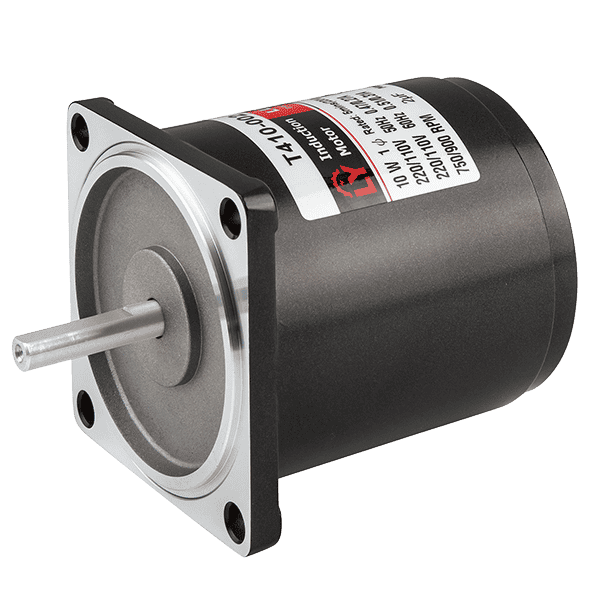
AC motors are the workhorses of the industrial world. They rely on the alternating current grid power (the standard electricity in your factory). They are traditionally prized for their simplicity and durability. In an AC induction motor, the magnetic field rotates, dragging the rotor along with it.
- Best for: Continuous, fixed-speed operations like fans, pumps, and heavy conveyor belts where precision speed control is secondary to raw power.
DC Motors (Direct Current)
DC motors run on direct current (from batteries or converters). Their defining characteristic is linearity—voltage correlates directly to speed.
- Best for: Mobile applications (AGVs), battery-operated tools, and applications requiring high starting torque.
However, the real decision today isn't just AC vs. DC. It is about the commutation—how the current is switched inside the motor to keep it spinning. This brings us to the most critical topic in modern automation: Brushed vs. Brushless.
The Brushless Revolution: Why Structure Matters
To understand why the industry is shifting, you must understand the flaw of the "Brushed" motor.
The Limitation of Brushed Motors
Traditional DC motors use carbon brushes to physically conduct electricity to the spinning rotor.
- Friction: Physical contact creates heat and wear.
- Maintenance: Brushes eventually wear out and must be replaced (as in our opening scenario).
- Sparking: The contact creates electrical noise and sparks, making them hazardous in volatile environments.
The Solution: Brushless Technology (BLDC & AC Brushless)
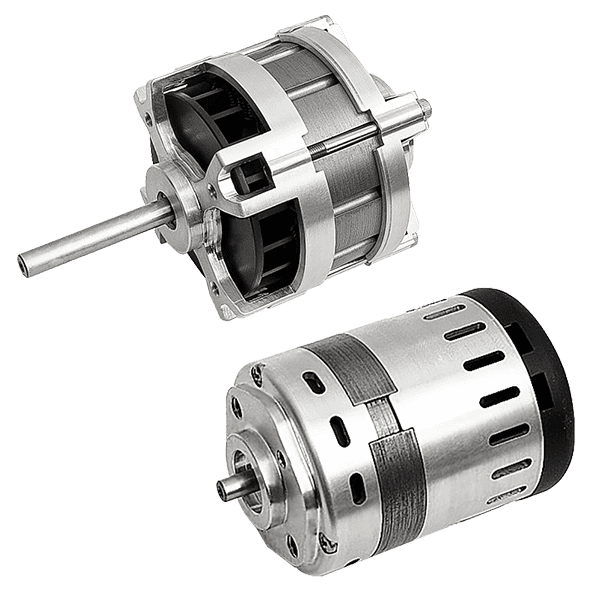
Brushless motors eliminate the physical contact. Instead of carbon brushes, they use electronic controllers to switch the current. This change in structure alters everything.
1. AC Brushless Motors
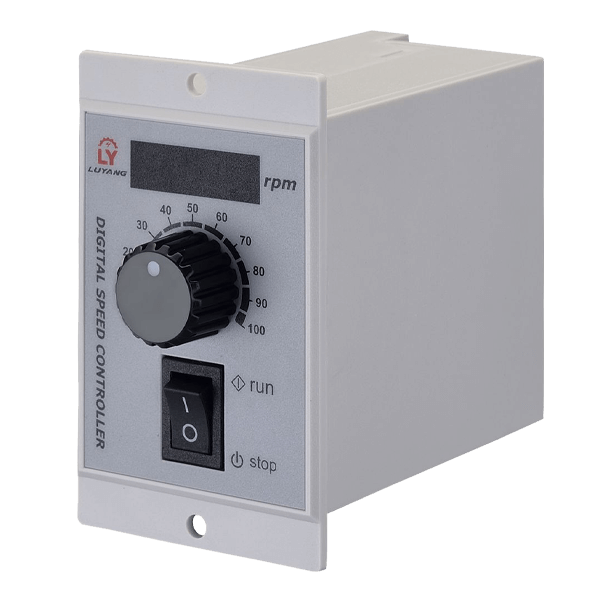
An ac brushless motor combines the convenience of AC power input with the performance of a brushless design. These motors use permanent magnets in the rotor and sophisticated drive electronics (often integrated or external) to synchronize the rotation.
- The Gain: You get a motor that maintains constant torque even at low speeds, without the "slip" of a standard induction motor.
2. DC Brushless Motors (BLDC)
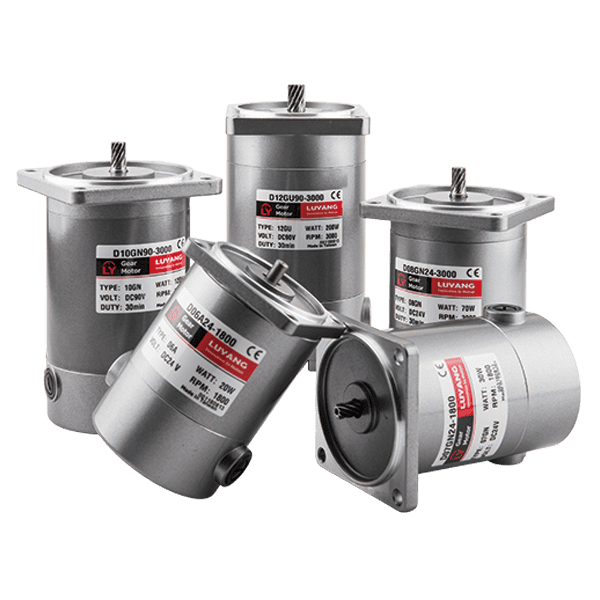
These are the kings of efficiency. By using permanent magnets and electronic commutation, they run cooler and pack more power into a smaller frame size.
Deep Dive: The Brushless Geared Motor
In automation, speed is often less important than torque. You rarely need a conveyor to move at 3000 RPM; you need it to move heavy loads steadily at 60 RPM. This is where the brushless geared motor becomes the MVP of the factory floor.
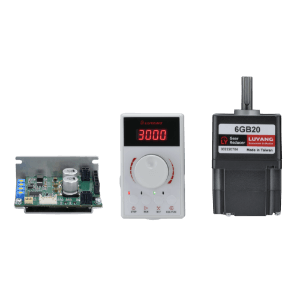
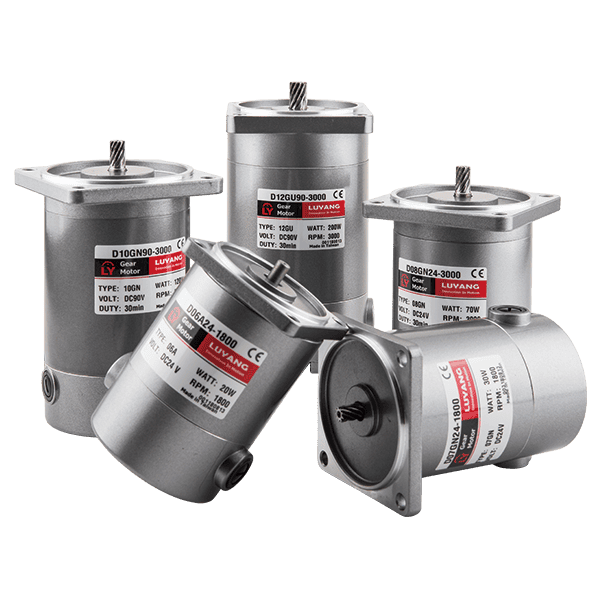
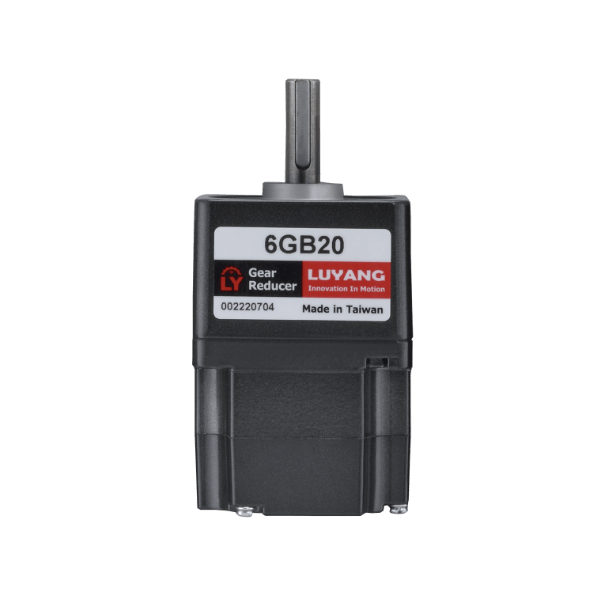
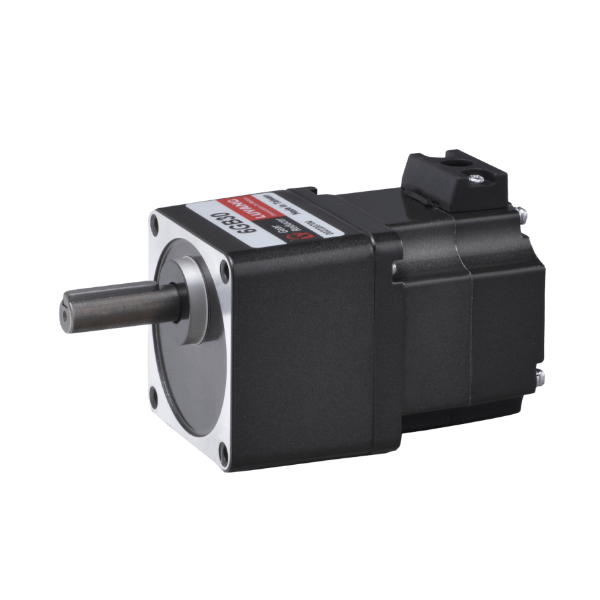
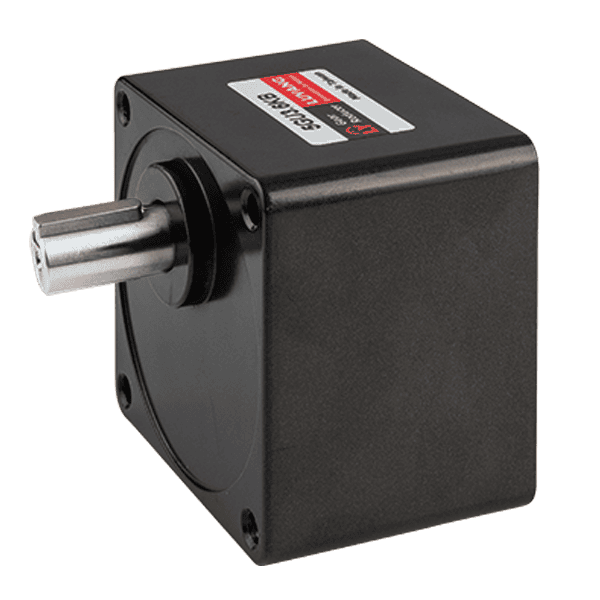
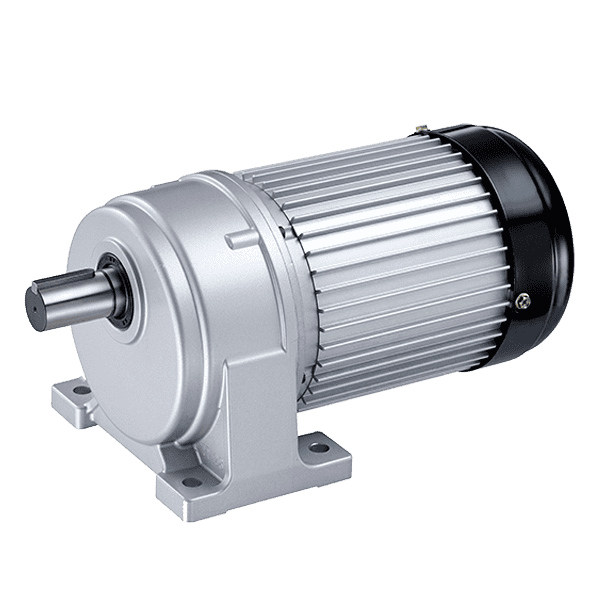
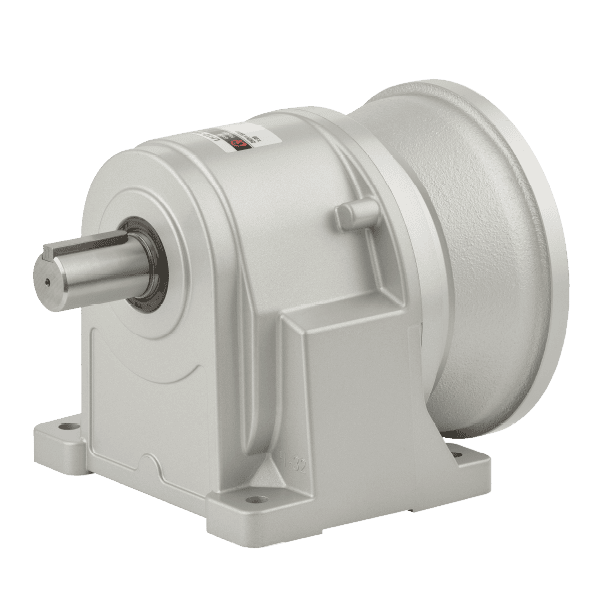
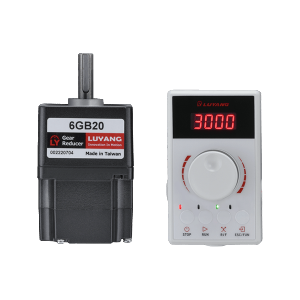
A brushless geared motor integrates a high-efficiency BLDC motor with a precision gearhead.
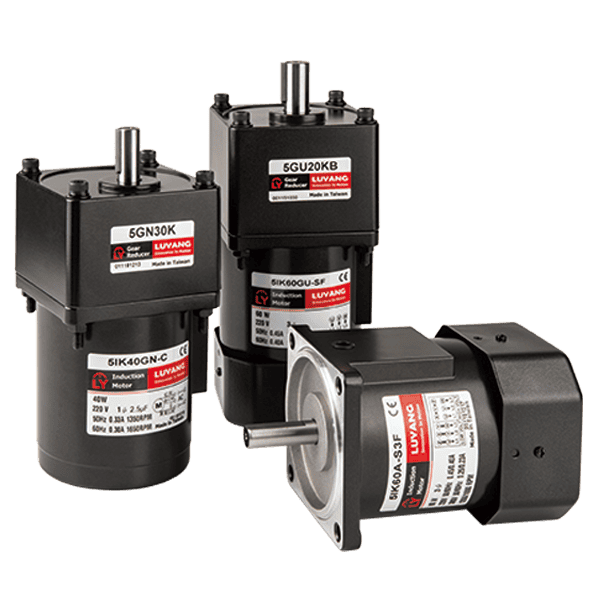
- Space Saving: Because BLDC motors are power-dense, the combined unit is significantly smaller than an AC induction gear motor of equivalent output.
- Torque Control: The electronic driver allows for precise torque limiting. If a machine jams, the motor senses the over-current and stops, preventing damage to the gearbox or the machine itself.
- Flat Torque Curve: Unlike standard AC motors that lose power as you slow them down, a brushless geared motor can maintain full torque across a wide speed range.
Scenario: Consider a labeling machine. It needs to stop and start rapidly (high cycle rate) with extreme precision. A standard AC motor would overheat due to the inrush current of frequent starting. A brushless geared motor, however, handles rapid start-stop cycles effortlessly because there are no brushes to burn and the rotor inertia is low.
Comparative Analysis: Helping Procurement Decide
When you are evaluating BOM (Bill of Materials) costs, it is easy to choose the cheaper option. But let’s look at the "Total Cost of Ownership" (TCO) through a comparative table.
Table: AC Induction vs. Brushed DC vs. Brushless (BLDC/AC Brushless)
| Feature | AC Induction Motor | Brushed DC Motor | Brushless Motor (AC/DC) |
| Lifespan | Long | Medium (Brush wear) | Very Long |
| Maintenance | Low | High (Brush replacement) | None |
| Speed Stability | Poor | Good | Excellent |
| Efficiency | 40% - 70% | 60% - 75% | 80% - 90%+ |
| Size/Weight | Bulky | Compact | Compact & High Power Density |
| Heat Generation | High | Moderate | Low |
| Initial Cost | Low | Low | Moderate |
| Long-term Cost | Medium | High | Low |
The Analyst’s Take: While the initial investment for an ac brushless motor or BLDC system is higher, the ROI is typically realized within 12-18 months through energy savings and the elimination of maintenance downtime.
Industry Trends 2026: Why This Matters Now
As we analyze the global manufacturing landscape, three key trends are driving the adoption of brushless technology:
1. The Green Manufacturing Mandate (ESG)
Corporations are under immense pressure to reduce carbon footprints. Replacing IE1 or IE2 induction motors with high-efficiency brushless motors can reduce power usage by up to 30%.
2. The Rise of "Smart" Factories (Industry 4.0)
Modern production lines require data. Brushless motors come with drivers that can output signals—speed, load, alarm status. This allows factory managers to monitor motor health remotely (Predictive Maintenance), a feat impossible with a standalone standard AC motor.
3. Miniaturization of Equipment
As machines become smaller, engineers need compact motors with high torque density—something traditional motors struggle to deliver.
FAQ: Common Questions from Buyers and Engineers
To assist you further, we have compiled the most frequent inquiries we receive at Luyang Technology.
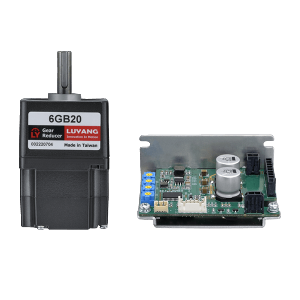
A: In terms of mounting, often yes (if flange sizes match). However, an ac brushless motor requires a driver (controller) to operate. It cannot be plugged directly into the mains without its specific driver unit. The benefit is that this driver gives you speed control that the induction motor lacked.
A: Because reliability and maintenance-free operation are now mandatory in automated systems.
A: Servo motors focus on precise position control. AC brushless motors focus on stable speed control and are more cost-effective for conveyors and continuous-motion system
A: You need to calculate your required output speed and torque.
- Formula: Motor Speed / Gear Ratio = Output Speed.
- If your motor runs at 3000 RPM and you need 30 RPM, you need a 100:1 gear ratio. Remember, as speed goes down, torque goes up. Our technical team can assist with this calculation to ensure you don't undersize the motor.
Empowering Your Production with Luyang Technology
Understanding the technology is the first step. Choosing the right partner is the second.
At Luyang Technology, we don't just manufacture motors; we engineer solutions for stability. We understand that for a procurement officer, the best motor is the one you never have to worry about after it's installed.
We have spent decades refining our manufacturing processes to become one of the premier bldc motor manufacturers in the region. Our focus is on precision, durability, and adaptability to your specific machinery needs.
Recommended Solutions for Your Upgrades:
-
For Compact, High-Torque Needs:
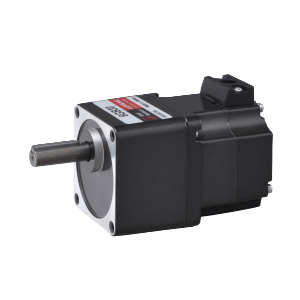
If you are designing AGVs, conveyor systems, or food packaging machinery where space is premium, explore our Brushless Geared Motor series. These units offer the perfect balance of size and power.
View DC Brushless Geared Motors -
For Stable Velocity Control:
If you are upgrading from standard induction motors and need stable speed regardless of load changes, our AC Brushless Motor (BH Series) is the ideal retrofit.
View BH Series AC Brushless Motors -
For Custom & High-Efficiency Projects:
Explore our full range of BLDC solutions designed for the modern smart factory.
View BU Series Brushless Motors
Ready to Optimize Your Drive Systems?
Don't let motor selection be a guessing game. Whether you need a single prototype or a volume order for a new production line, our engineering team is ready to analyze your requirements and calculate the optimal torque and speed ratios for you.
Ensure your production never stops. Contact Luyang Technology Today