 2026-07-14
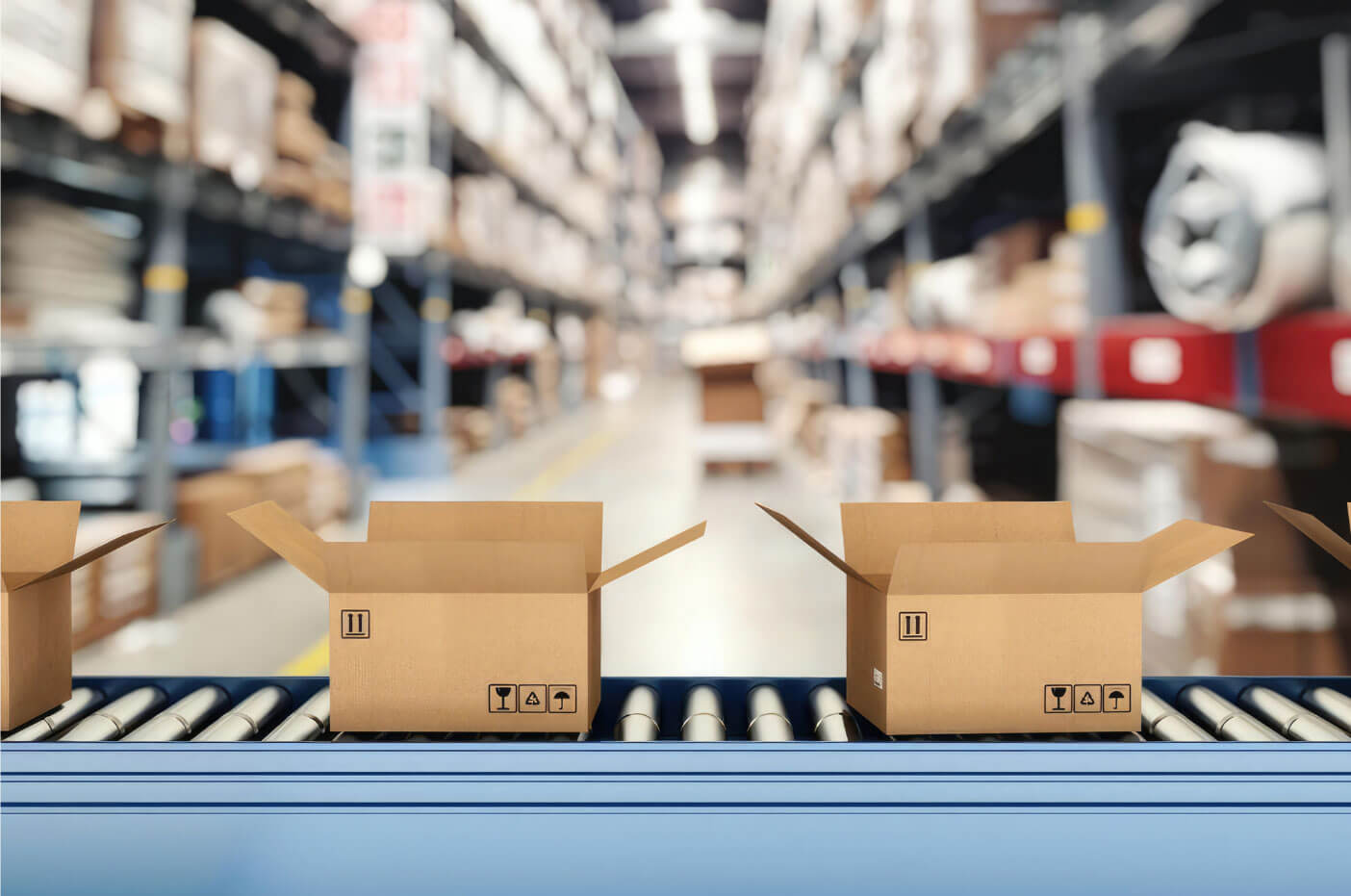
In the past, packaging lines were designed for one clear objective: stable mass production. Today, that objective is no longer enough. In a market shaped by shorter product cycles, customized formats, labor shortages, and energy-saving requirements, flexibility and precision have become the new foundation of competitiveness.
For packaging machine builders, automation integrators, and factory decision-makers, this shift creates a new question: if production is becoming more complex, can the machine’s drive system still keep up?
At Luyang Technology, we are not a packaging material supplier or a packaging brand. We are a gear motor and motion solution provider whose products are widely applied in packaging machinery and automation systems. From our perspective, the packaging industry’s transformation is also a drive design challenge. As production moves toward high-mix, low-volume manufacturing, the real bottleneck often appears not in the machine frame itself, but in motion stability, synchronization, adjustment efficiency, and long-term reliability.
Why Packaging Equipment Is Under More Pressure Than Ever
The packaging industry is changing on several fronts at the same time, and each change puts new demands on machinery.
1. High-mix, low-volume orders are becoming the norm
Instead of producing one format in large quantities for long periods, many factories now handle smaller orders, more product variations, and more frequent packaging changes. This means equipment must support faster changeovers, more precise positioning, and more adaptable motion control.
2. Labor shortages are accelerating automation
Across many manufacturing sectors, labor shortages continue to affect production planning and operational stability. As a result, automation is no longer a long-term option. It has become a practical necessity. But automation only works well when the underlying motion system can deliver stable, repeatable performance.
3. Energy efficiency is now part of machine competitiveness
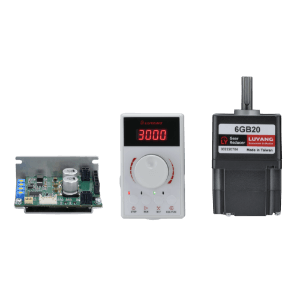
Equipment buyers are not only evaluating speed and output. They are also paying closer attention to efficiency, power consumption, and long-term operating cost. This is one reason why more packaging applications are reassessing drive selection, including the use of a brushless motor or ac brushless motor solution for better efficiency and controllability.
Why a Gear Motor Supplier Has a Real Role in Packaging Industry Upgrades
Some may ask: what does a gear motor manufacturer have to do with packaging?
The answer is simple. Packaging machines do not operate on mechanical structure alone. They rely on coordinated motion. From conveyor feeding and film transport to sealing, labeling, indexing, cutting, and carton handling, each stage depends on stable torque, controlled speed, precise rhythm, and reliable synchronization.
That is where gear motors and motor-drive systems matter.
A packaging line may look like a complete machine from the outside, but inside, its performance depends heavily on whether the drive system can translate power into usable, repeatable motion. If the motor and reducer are not properly matched to the application, the machine may still run, but it will struggle when production complexity increases.
In this sense, Luyang’s connection to the packaging industry is application-driven. Our products are not the packaging itself. They are key motion components used in packaging machinery and automated production systems.
The Three Most Common Motion Problems Packaging Equipment Faces
As equipment manufacturers try to improve speed, accuracy, and flexibility, three operational problems often appear.
1. Poor synchronization across multiple axes
When different machine sections cannot move in precise coordination, packaging defects become more likely. Misalignment in feeding, sealing, labeling, or cutting can reduce yield and create quality inconsistency. In high-speed operations, even small synchronization errors can have a large impact.
2. Slow and inefficient adjustments
When a machine must adapt to different package sizes or product specifications, long adjustment time becomes a serious productivity issue. If operators need excessive manual tuning, every changeover reduces line efficiency and increases labor dependency.
3. Performance drift during long-hour operation
Many packaging lines run for extended periods or even continuously. Under these conditions, unstable motion systems may begin to show precision drift, increased vibration, heat buildup, or more frequent stoppages. What begins as a minor mechanical variation can become a recurring operational cost.
As Packaging Gets Smarter, Motion Quality Becomes a Strategic Advantage
Modern packaging machines are no longer defined only by structure, materials, or outward design. They are increasingly defined by how well motion is controlled across the entire system.
In practical terms, that means machine competitiveness now depends on whether the drive system can support:
- accurate speed and torque output
- stable multi-axis coordination
- repeatable positioning
- lower wear and reduced maintenance burden
- efficient integration with automation control systems
This is why drive selection is no longer a secondary engineering task. It is becoming part of the machine’s competitive design strategy.
What Equipment Buyers and Machine Builders Should Look for in a Drive System
When evaluating motors, reducers, or motion partners for packaging applications, decision-makers should look beyond catalog specifications.
The following table summarizes what matters most in real packaging environments:
| Packaging Requirement | Common Equipment Risk | What the Drive System Should Deliver |
| Frequent product changeovers | Long setup time and manual adjustment | Faster response and easier adaptation |
| Multi-axis packaging actions | Timing mismatch and inconsistent quality | Stable synchronization and repeatability |
| Long-hour production cycles | Precision drift, wear, and downtime | Reliable continuous operation |
| Energy-saving targets | Excessive power loss and operating cost | Higher efficiency and lower waste |
| Automation integration | Control complexity and poor compatibility | Smoother system matching and controllability |
This is also where advanced motion solutions, including brushless motor and ac brushless motor configurations, become increasingly valuable in packaging equipment design.
Why Brushless and AC Brushless Motor Solutions Are Gaining Attention
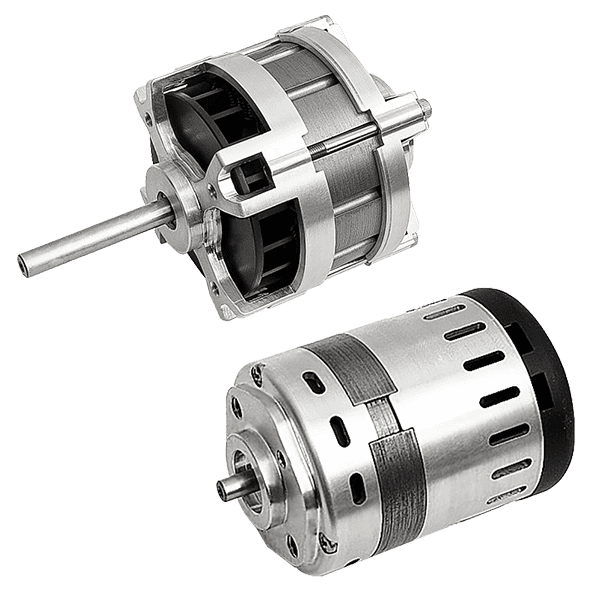
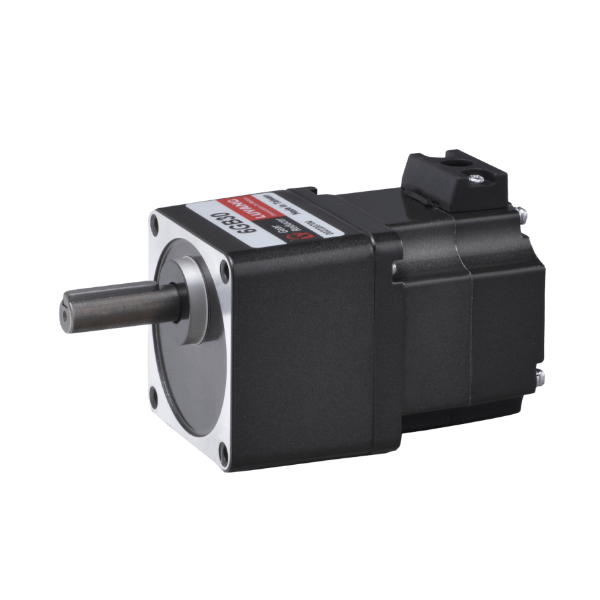
As packaging machinery evolves, more manufacturers are re-evaluating traditional motor choices. In applications that require frequent starts and stops, stable speed control, compact installation, and reduced maintenance, a brushless motor can provide meaningful advantages.
In addition, an ac brushless motor solution is often considered when machine builders need a balance of efficiency, controllability, and long-term operational stability. For equipment that must maintain performance across many changeovers and long production hours, this can support better consistency and lower lifecycle cost.
That is also why procurement teams are paying closer attention to supplier capability, not just unit price. They want to work with partners who understand application demands, torque matching, control compatibility, and durability. In other words, they are not simply comparing part numbers. They are evaluating the practical value offered by experienced bldc motor manufacturers and motion solution providers.
The Future of Packaging Equipment Competition Lies in Drive Design Capability
Looking ahead, the most competitive packaging machines will not simply be the ones that run fast. They will be the ones that run accurately, adapt quickly, consume energy efficiently, and maintain stable output over time.
That requires stronger drive design capability.
When choosing a motion partner, machine builders and buyers should ask three questions:
Can the drive solution be customized for the actual application?
Packaging processes vary widely in stroke, load, line rhythm, and installation constraints. Standard products are useful, but real competitive value often comes from application-based customization.
Can it support long-term, high-frequency operation?
A packaging line often runs under constant production pressure. Drive systems must be able to perform reliably under continuous use, not only in test conditions.
Can it integrate well with automated control systems?
Motion performance is not determined by torque alone. It also depends on how well the motor, reducer, and control system work together in actual machine operation.
How Luyang Supports Packaging Machinery Applications
At Luyang, we see gear motors and drive systems as more than standardized components. In packaging applications, they are part of the machine’s operating quality.
We work with customers from the early planning stage to help improve torque matching, motion stability, synchronization, and modular customization. Our focus is not only to supply components, but to support equipment makers in building machines that are more stable, more adaptable, and better suited to today’s production environment.
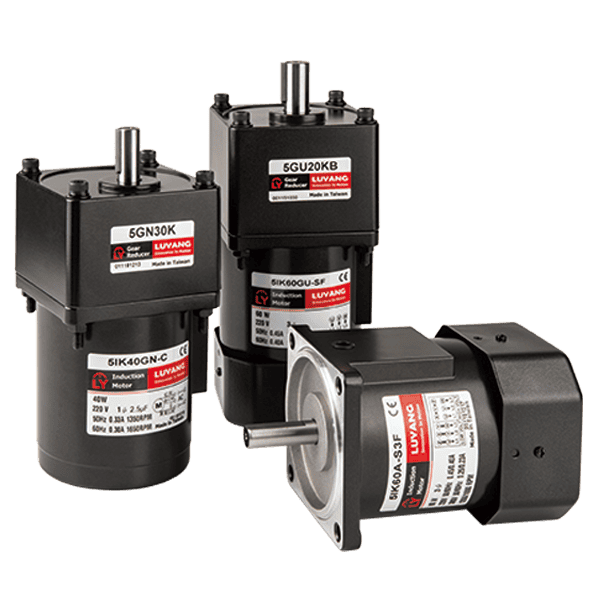
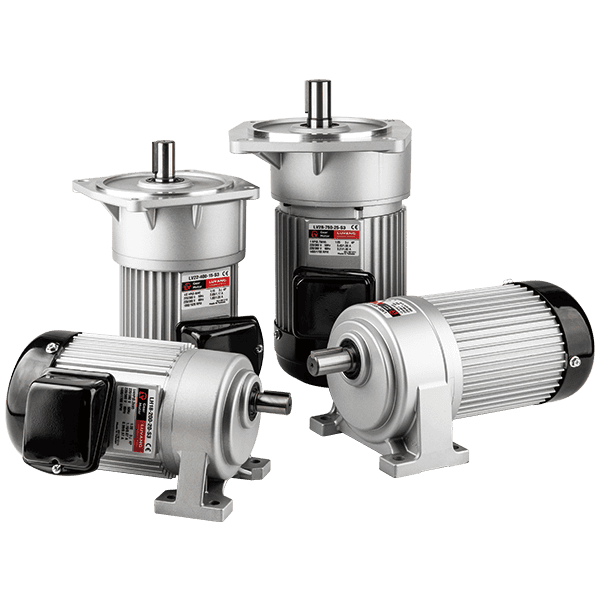
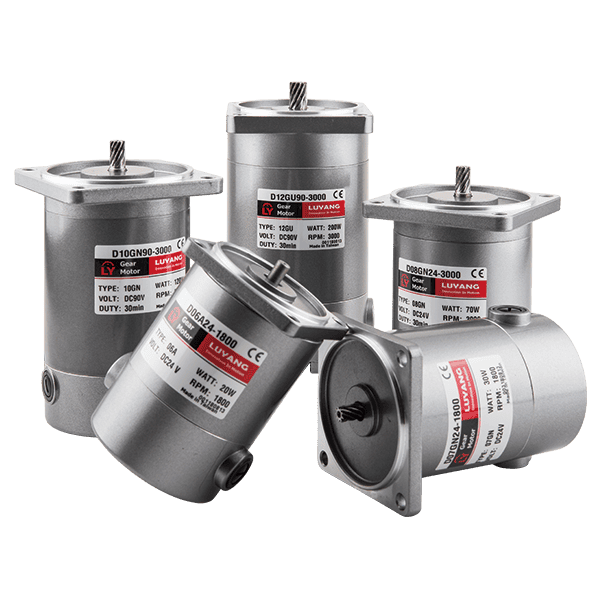
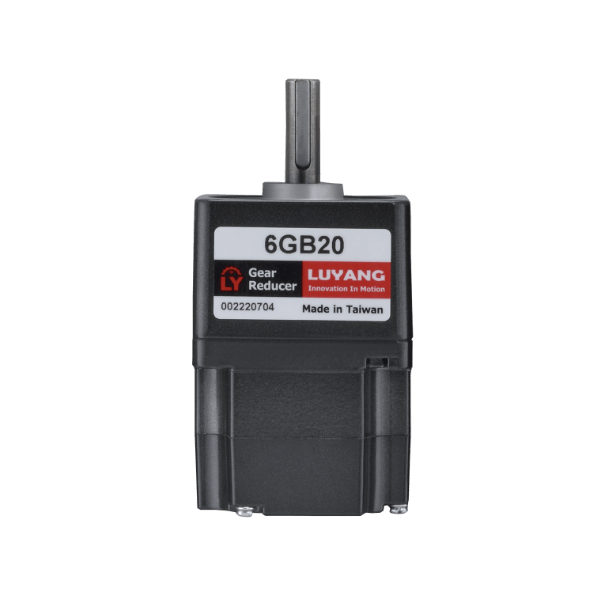
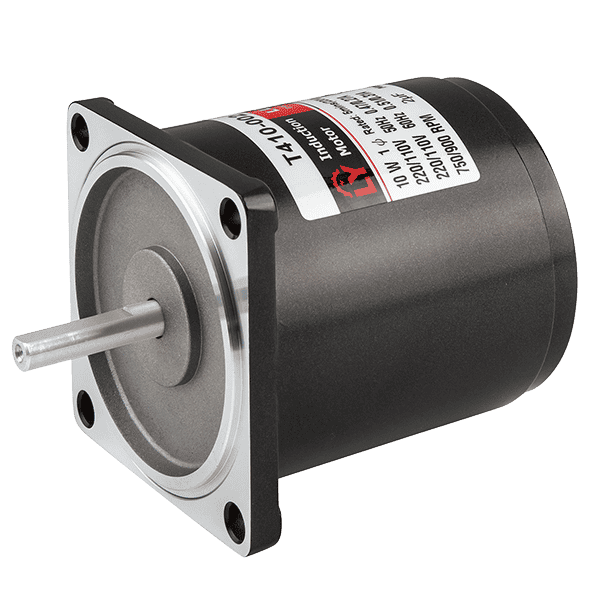
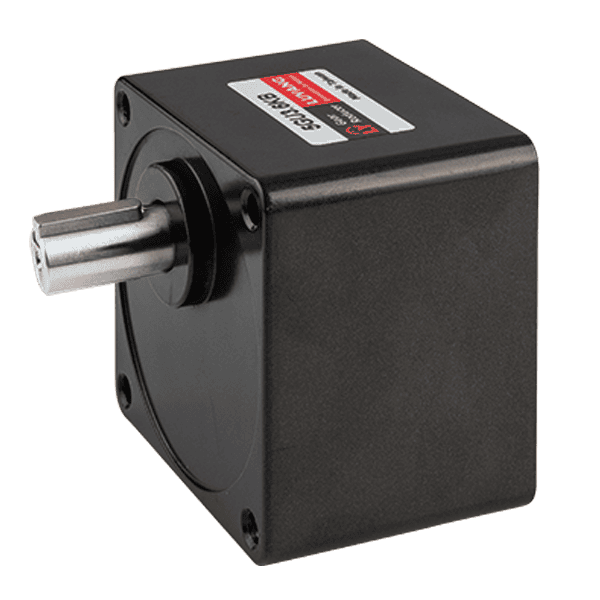
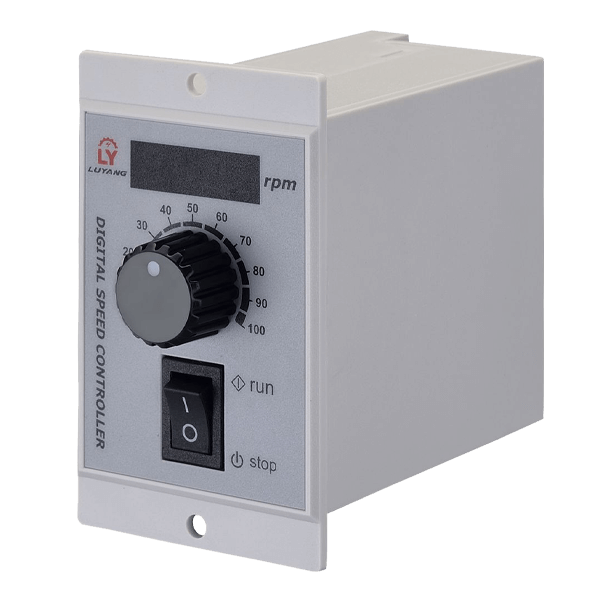
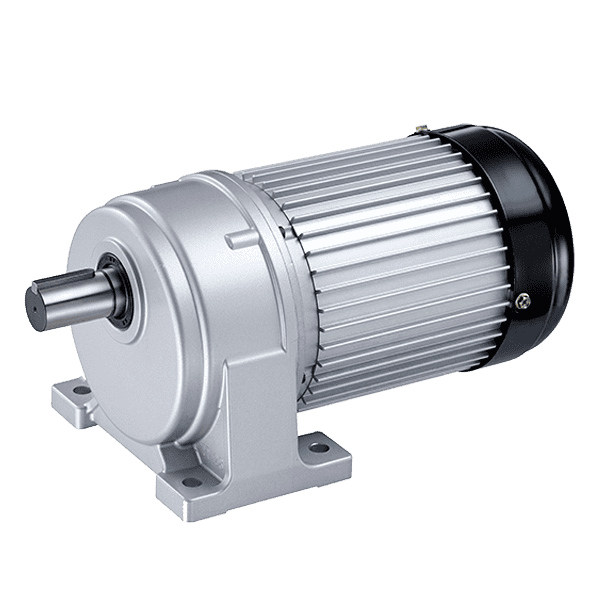
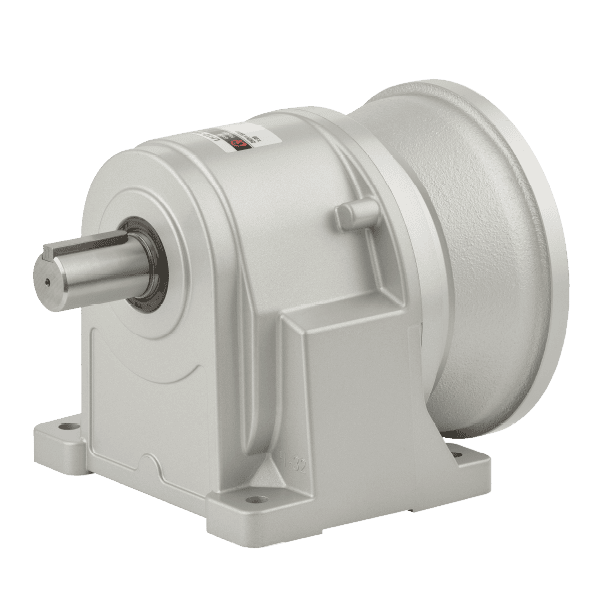
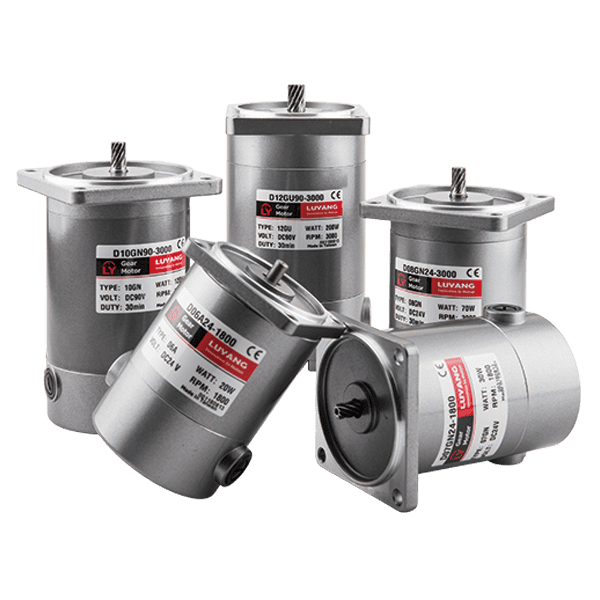
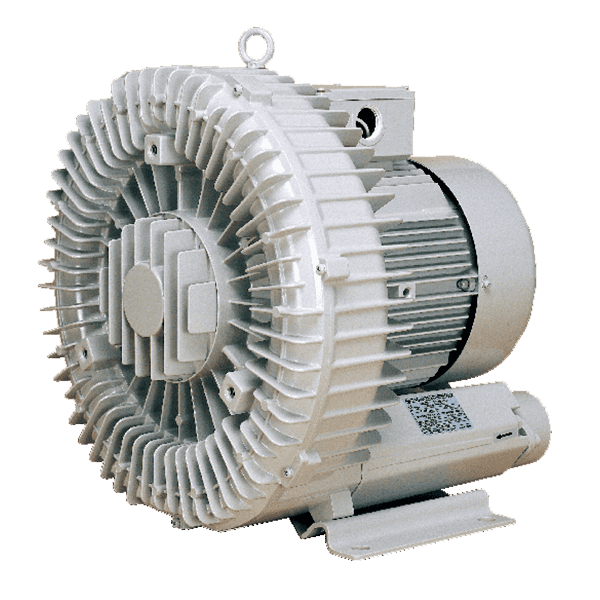
If you are reviewing motion solutions for packaging equipment, you may explore Luyang’s related product lines here:
Conclusion
As the packaging industry shifts toward high-mix, low-volume production, equipment can no longer be judged only by whether it runs. It must also adapt, synchronize, and maintain precision under real production pressure.
For this reason, the drive system is no longer just a supporting part of packaging machinery. It is one of the foundations of machine performance.
If your packaging equipment is facing bottlenecks in stability, efficiency, or motion control, contact Luyang Technology. Our team can help you evaluate a more suitable drive and gear motor solution for your application.
FAQ
1. Why is high-mix, low-volume production challenging for packaging equipment?
Because the machine must handle more frequent product changes, shorter production runs, and tighter accuracy requirements without sacrificing efficiency or output quality.
2. What does a gear motor do in packaging machinery?
A gear motor helps convert motor power into the speed and torque needed for actual machine movement, such as conveying, indexing, sealing, feeding, and synchronized packaging actions.
3. Why are brushless motor solutions becoming more common in packaging applications?
A brushless motor can offer better controllability, lower maintenance needs, and more stable performance in applications with frequent starts, stops, and speed adjustments.
4. What is the benefit of an ac brushless motor in packaging automation?
An ac brushless motor can improve efficiency, support smoother control integration, and help maintain stable performance in automated packaging systems.
5. How should buyers evaluate bldc motor manufacturers for packaging machinery projects?
Buyers should assess not only specifications and price, but also application knowledge, customization capability, long-term reliability, and integration support.